How Fashion Trends Are Influencing Modern Lifestyle
Fashion has moved far beyond seasonal updates and runway moments. Today, it shapes how people manage daily routines, present themselves professionally, shop with intention, and build identities in both physical and digital spaces. Modern lifestyle choices such as comfort, sustainability, wellness, flexibility, and self-expression are increasingly reflected in what people wear and how they style it.
As trends spread faster through social platforms and global communities, fashion also impacts broader behaviors: purchasing habits, workplace expectations, cultural curiosity, and even how people plan activities around movement and convenience. The result is a strong two-way relationship where lifestyle drives trends, and trends actively reshape lifestyle.
Style Signals Personal Lifestyle Values
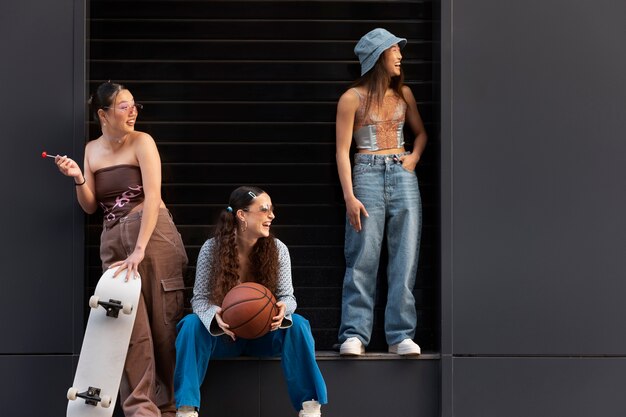
Fashion trends influence modern lifestyles by turning clothing into a clear communication tool. What people wear often signals what they prioritize, such as simplicity, creativity, status, practicality, or mindfulness. Minimal palettes can imply intentional living, while bold silhouettes may reflect confidence and experimentation. These cues matter in social settings, professional environments, and online profiles, where first impressions are increasingly visual.
Because of this, fashion becomes part of everyday decision-making rather than an occasional activity. People dress to match the identity they want to reinforce, and trends gain traction when they align with shared cultural moods and life goals.
Social Platforms Speed Up Trends
Social media has transformed how fashion trends influence lifestyle by accelerating what becomes popular and how quickly it changes. Short-form content, creator styling videos, and algorithmic feeds personalize what people see, shaping preferences in real time. To explore the latest stories shaping style culture, many consumers now rely on creators and online communities as much as traditional fashion outlets.
This constant exposure affects more than outfits. It changes how people shop, how they prepare for events, and how they curate their appearance for photos and video. Modern lifestyle becomes more visually planned, with fashion choices often made alongside digital presentation.
Sustainability Shapes Everyday Style Choices
Sustainable fashion trends are influencing modern lifestyles by pushing consumers toward mindful consumption. As brands highlight recycled fibers, responsible sourcing, and circular practices, shoppers increasingly consider longevity and impact. This encourages habits like buying fewer pieces, choosing better materials, repairing items, and supporting transparent supply chains.
These choices extend into broader lifestyle values: reducing waste, avoiding impulse purchases, and building wardrobes that match long-term needs. Fashion becomes a practical entry point into a more intentional way of living.
Comfort Drives Daily Clothing Preferences
Comfort-first trends have changed what people expect from clothing in everyday life. Flexible schedules and wellness-driven routines have made soft tailoring, relaxed denim, knit sets, and elevated loungewear central to modern wardrobes. People want outfits that can move from home to errands to social plans without feeling restrictive.
This shift influences lifestyle behavior directly. When clothing supports ease and movement, individuals tend to adopt more spontaneous routines, walk more, and combine activities without needing multiple outfit changes. Fashion supports a lifestyle built around convenience and confidence.
Workwear Reflects Hybrid Lifestyle Needs
Hybrid work has reshaped professional fashion trends and, in turn, modern lifestyle patterns. Traditional formalwear has softened into polished comfort: relaxed blazers, refined knitwear, smart sneakers, and versatile layers that work on video calls and in-person meetings. This evolution reflects new expectations around productivity and presence without discomfort.
These trends influence shopping priorities and wardrobe planning. People increasingly invest in pieces that do more than one job, supporting routines that shift between home, office, travel, and networking.
Wellness Fashion Reinforces Healthy Habits
The wellness aesthetic influences modern lifestyle by linking fashion with health-focused identity. Breathable fabrics, calm tones, clean silhouettes, and athleisure-inspired staples signal movement, balance, and self-care. This trend is not only about looking active; it reflects how people want to feel during their day.
As a result, many choose clothing that supports walking, stretching, outdoor time, and low-friction transitions between tasks. Fashion becomes a reinforcement mechanism for routines that prioritize well-being.
Microtrends Support Daily Self-Expression
Microtrends have made fashion influence more personalized and lifestyle-specific. Instead of one dominant seasonal look, people adopt smaller aesthetics that match their taste, climate, profession, and social environment. This encourages experimentation while still allowing practical wardrobe building.
Personal styling also becomes more strategic. Many mix staples with statement textures and construction, and techniques like mixing fabrics for stylish bottom wear help create depth and individuality without replacing an entire closet. Fashion trends, in this way, support self-expression at scale while staying compatible with daily life.
Global Style Inspires Local Wardrobes
Global access to fashion has increased cultural exchange and broadened everyday style choices. Street style from many regions influences silhouettes, textiles, and color stories worldwide, and following international trends often inspires practical ideas such as fashion tips for layering clothes that blend comfort with creativity. To explore the latest stories behind these influences, audiences often follow global creators who add context to the look, not just the outfit.
This cultural flow affects lifestyle beyond clothing. It encourages curiosity about music, art, food, and travel, connected to the aesthetics people adopt. Fashion becomes a gateway into wider cultural engagement.
Shopping Habits Evolve With Trends
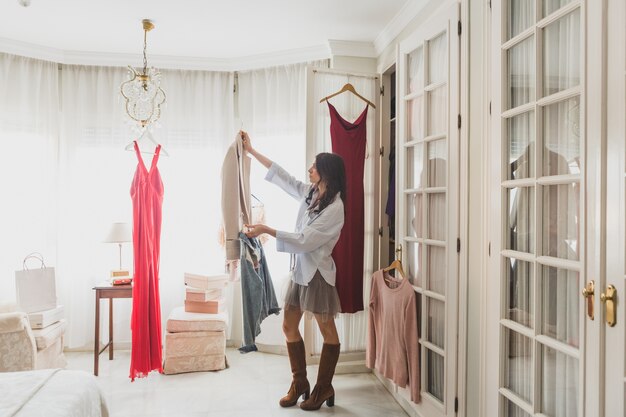
Fashion trends influence modern lifestyle through changing consumer behavior. Many shoppers now prioritize versatility, quality, and repeated wear rather than one-time outfits. Secondhand shopping, wardrobe editing, rentals, and brand transparency have grown because people want value and alignment with personal ethics.
Looking ahead, technology will likely deepen this influence through better personalization, sizing tools, and digital shopping experiences. Lifestyle will continue to shape trends, but fashion will remain a strong driver of how people organize daily routines and express identity.
Conclusion
Fashion trends influence modern lifestyle because style is woven into how people live, work, socialize, and communicate values. Sustainability, comfort, wellness, hybrid work, global inspiration, and microtrends all show that fashion has become both a mirror of modern priorities and a tool for navigating them.
As lifestyles continue to favor flexibility and intention, the most impactful trends will be the ones that support real life: adaptable, expressive, comfortable, and aligned with the values people want to live by.
