How to Build Outfits Around Your Favorite Colors
Color has the power to transform the way you feel and the way others perceive your style. While many people choose outfits based on trends or convenience, building your wardrobe around your favorite colors creates a more personal and cohesive look. It helps you express identity, boosts confidence, and makes outfit planning easier. When you understand how your preferred shades work together and how to layer them with neutrals you gain the ability to create polished, visually appealing outfits with minimal effort. With the right strategies, your favorite colors can form the foundation of a stylish, well-balanced wardrobe.
Understanding How Colors Influence Your Style
Identify Your Core Personal Palette
Every person naturally gravitates toward certain colors. These preferences often reflect your personality, lifestyle, and aesthetic taste. Identifying your core palette gives you a reliable starting point for outfit-building. As you study these choices, you begin seeing how thoughtful fashion colour combinations can enhance your look and make your style feel more intentional. Whether you love warm earth tones, bold primaries, or cool neutrals, understanding your palette ensures every outfit feels cohesive.
How to discover your personal palette:
- Look at the colors you wear most often.
- Notice which shades make you feel confident.
- Observe the tones that bring out your skin, eyes, or hair.
- Consider your lifestyle work, casual wear, evenings, events.
Once you know your preferred colors, everything else becomes easier.
Learn How Colors Affect Mood and Aesthetic
Colors carry emotional and visual impact, influencing the message your outfit communicates. Warm tones feel expressive and bold, while cool colors appear calm and structured. Neutrals bring sophistication and balance. These effects become clearer through the stylish layering tips, which show how layering plays into overall tone and depth.
Mood-based color guidance:
- Soft pastels → friendly, calm, approachable
- Deep jewel tones → strong, elegant, dramatic
- Bright colors → lively, youthful, expressive
- Neutrals → clean, minimalist, timeless
Understanding color psychology helps you dress with intention.
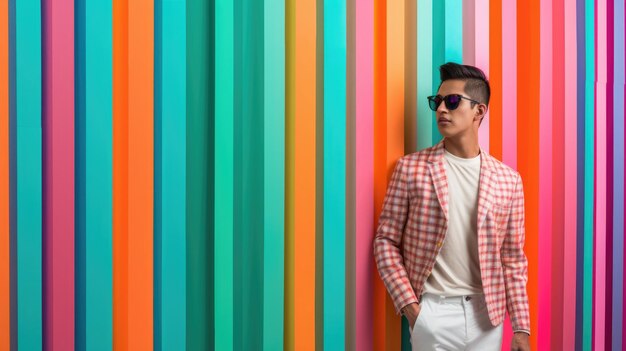
Building Stylish Outfits Around Your Favorite Colors
Start With Neutrals That Complement Your Top Shades
Start With Neutrals That Complement Your Top ShadesNeutral tones act as the foundation for most outfits. They make color pairing easier and allow your favorite shades to stand out instead of competing for attention. Neutral trousers, jackets, and shoes help structure your bolder colors. A better understanding of balance also comes from reading self-assured dressing, especially if you’re exploring how color choices influence confidence.
Most versatile neutrals include:
- Black: sleek and modern
- White: crisp and refreshing
- Beige or camel: warm and sophisticated
- Navy: polished and classic
- Gray: balanced and minimal
These colors pair beautifully with almost everything, allowing your favorite shades to shine.
Use Accent Colors Strategically
Your favorite colors don’t always need to be the main focus. Sometimes they work better as accents through accessories, layers, or subtle details. This lets you add personality without overwhelming your outfit.
Great ways to add accent colors:
- A bright scarf or hat
- Colorful sneakers
- Statement jewelry
- A bold bag or backpack
- Layered shirts peeking from under jackets
Accents allow for creativity while keeping the outfit cohesive.
Experiment With Shade Variations for Depth
Even a single color can create an interesting outfit when you explore different shades, tones, and textures. Monochromatic styling is both simple and elevated, especially when the materials differ enough to add dimension.
Examples of shade variation:
- Light beige + taupe + espresso
- Sky blue + navy + indigo
- Olive + forest green + sage
Shades of the same color create harmony without looking repetitive.
Exploring Practical Colour-Building Techniques
Pair Warm and Cool Colors for Balanced Outfits
If your favorite colors lean warm mustard, orange, rust pairing them with cool tones like navy or charcoal brings harmony. Cool color lovers can introduce warmth for depth and variation. This balance becomes even more effective when considering complexion, which is explained in the skin-tone color guide right where it matters most.
Balanced combinations include:
- Olive + navy
- Mustard + charcoal
- Rust + denim blue
- Burgundy + gray
These pairings elevate your style while maintaining harmony.
Match Colors Through Patterns and Prints
Patterns are a smart way to incorporate multiple colors in a cohesive way. When a pattern blends one of your favorite colors, it becomes easier to pair it with solid pieces.
Pattern tips:
- Stripes help unify two strong colors.
- Florals make pastels and neutrals blend beautifully.
- Geometric prints add bold, modern flair.
- Plaids help mix warm and cool tones seamlessly.
Patterns create visual interest without overwhelming your outfit.
Use Accessories to Tie Colors Together
Accessories are often the easiest way to connect different parts of an outfit. When styling with your favorite shades, small details can make the entire look feel intentional.
Useful accessory strategies:
- Match your shoes to your hat or bag.
- Use belts or watches to repeat subtle color accents.
- Choose glasses or jewelry with hints of your favorite tone.
These small touches pull your outfit together in a stylish, effortless way.

Building a Color-Friendly Wardrobe for Everyday Wear
Create a Capsule Based on Your Favorite Colors
A capsule wardrobe built around your preferred shades ensures every piece works together. This simplifies dressing and reduces wardrobe clutter.
Steps to create a color-based capsule:
- Choose 2–3 favorite colors.
- Add 3–5 supporting neutrals.
- Pick versatile tops, bottoms, and outerwear.
- Add a few accessories that highlight key colors.
- Rotate seasonal tones when needed.
This approach forms a wardrobe that feels personal, efficient, and stylish.
Rotate Colors Based on Seasons
Seasonal rotation prevents your wardrobe from feeling repetitive. Light and airy colors work better in warm months, while deeper hues shine in cooler seasons.
Seasonal examples:
- Spring: mint, lavender, cream
- Summer: white, tan, sky blue
- Autumn: mustard, rust, olive
- Winter: navy, burgundy, charcoal
Seasonal palettes keep your outfits dynamic and expressive.
Conclusion
Building outfits around your favorite colors is one of the most effective ways to create a wardrobe that feels authentic and visually cohesive. When you understand color relationships, choose the right neutrals, and experiment with accents, your everyday looks become more stylish and intentional. From monochromatic outfits to balanced warm-cool pairings, the right color strategies help highlight your personality and elevate your entire wardrobe. With thoughtful choices and consistent experimentation, your favorite colors can become the foundation of a signature style that stands out effortlessly.
