Tips for Boosting Productivity and Staying Motivated Daily
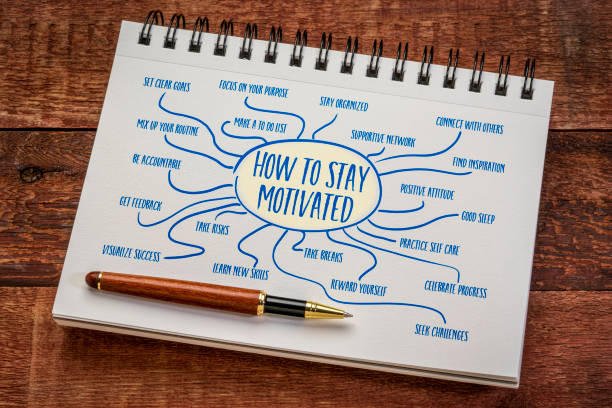
Productivity and motivation are not traits you either have or lack; they are outcomes you can intentionally shape through your environment, routines, and mindset. The most effective approach is to build daily systems that reduce friction, protect your attention, and keep your energy steady from morning to evening. When you focus on small, repeatable actions, you rely less on willpower and more on structure, making it easier to perform consistently even on demanding days. The following practical tips will help you work with greater clarity, maintain momentum, and stay motivated in a sustainable, professional way.
Daily Priorities Create Clear Direction
Starting without direction invites distraction. A short planning ritual sets the tone and prevents your schedule from being driven by interruptions. Choose a small set of outcomes that truly matter and define what “done” looks like. When priorities are explicit, you spend less time debating what to do next and more time executing.
A helpful practice is to draft a realistic day plan around your most important deliverable, then build everything else around it. Keeping your priorities visible on a notes app, a sticky note, or a task manager reduces cognitive load and reinforces focus throughout the day.
Focus Blocks Protect Deep Work
High-quality output requires protected time. Create dedicated work blocks where you remove preventable distractions, silence notifications, and keep only the tools you need open. In these periods, commit to finishing a defined piece of work rather than “working on it” indefinitely, because clear endpoints strengthen motivation and reduce procrastination.
If you want additional ideas to refine your approach, you can discover useful blog articles that explain different focus methods and how to adapt them to your role and workload. The goal is not a perfect routine, but a repeatable structure that helps you enter deep work more often.
Morning Routines Build Motivated Momentum
Motivation often follows action, not the other way around. A consistent morning routine reduces decision fatigue and creates an early win that carries into the rest of the day. Keep it simple: a brief review of your top priorities, a short stretch or walk, hydration, and a clear start time for your first meaningful task. A reliable opening sequence helps you begin with control and prevents the day from being shaped by other people’s agendas.
Energy Management Sustains Daily Output
Time management matters, but energy management determines whether you can use your time effectively. Your focus and mood are heavily influenced by sleep quality, movement, and nutrition. Even short activity breaks can reset attention and reduce stress, especially during mentally demanding work.
Building daily movement into your routine can be a practical lever, and reading about the benefits of regular exercise for health can reinforce why this habit supports sharper thinking and steadier motivation. The more stable your energy, the more reliable your productivity becomes.
Environment Design Reduces Mental Friction
Your environment is a silent manager. If distractions are easy to access, your attention will leak. If tools are hard to find, you will waste time. Make the productive choice the easiest choice by organizing your workspace, preparing what you need in advance, and limiting visual clutter.
Small changes like closing unused tabs, keeping your phone out of reach during work blocks, and maintaining a clean desk can significantly improve your ability to stay engaged without relying on constant self-control.
Small Wins Beat Low Motivation
Not every day will feel inspiring. The key is maintaining continuity. When motivation is low, define a minimum version of success that still moves your work forward. This might be writing one paragraph, outlining a task, or completing a single meaningful step. Progress, even little progress, preserves momentum and protects your confidence.
Progress Tracking Reinforces Consistent Action
Progress tracking reinforces consistent action because it makes your effort visible and meaningful. When you can clearly see what you’ve completed, even small wins start to build momentum and motivation. This is why many people rely on simple habits for daily progress as a way to stay grounded and focused without feeling overwhelmed. A weekly summary of outcomes, a basic habit tracker, or a short end-of-day reflection can create a strong feedback loop, helping you connect your actions directly to results.
At the same time, it’s important to avoid overcomplicating your system. Keeping things lightweight allows you to stay consistent while still benefiting from clarity and direction. By maintaining awareness of your goals and reviewing them regularly, you can quickly adjust when priorities shift, ensuring steady and sustainable improvement.
Rewards Systems Strengthen Daily Motivation
Sustained productivity improves when the work process feels rewarding, not only the outcome. Add small rewards that reinforce consistency, such as a short walk after completing a focused block, a coffee break after finishing a difficult task, or a brief reset activity after a meeting-heavy hour. The most important element is consistency: the brain responds to repeated positive cues, making it easier to return to productive behavior daily.
Lifestyle Habits Support Long-Term Focus
Daily productivity is often the result of lifestyle stability. When sleep is irregular, meals are inconsistent, or stress is unmanaged, focus declines, and motivation becomes fragile. Improving your baseline habits can make work feel easier and less draining.
Some people benefit from adopting daily changes for a better lifestyle that fit naturally into the day, such as regular meal timing, short evening wind-down routines, and scheduled downtime. These changes may look minor, but they can significantly strengthen your ability to stay motivated and productive over the long term.

Conclusion
Boosting productivity and staying motivated daily is less about chasing intensity and more about building dependable systems. When you clarify priorities, protect focused time, manage energy, reduce friction, and create feedback loops that reward progress, you make consistent performance far more achievable. Over time, these practices compound into stronger discipline, better outcomes, and a workday that feels more intentional. Choose a few strategies from this guide, implement them steadily, and let small improvements become your daily advantage.
